Last-mile delivery can account for up to 50% of total shipping costs, a figure that traces to Capgemini Research Institute's "The Last-Mile Delivery Challenge" report and has been repeated across the industry since. That statistic is almost always used to introduce content about routing software, driver apps and delivery optimisation, the part of last-mile that happens once a van leaves the depot. Almost none of it addresses what happens before the van is loaded, the hub and depot operations that determine whether that van leaves on time, fully and correctly loaded, in the first place.
This piece sets out why hub orchestration behind last-mile, the sortation, consolidation and load-sequencing decisions made before a single parcel reaches a route, is a distinct problem from route optimisation, and a largely unaddressed one in current buyer-facing content.
What Happens Before the Van Is Loaded
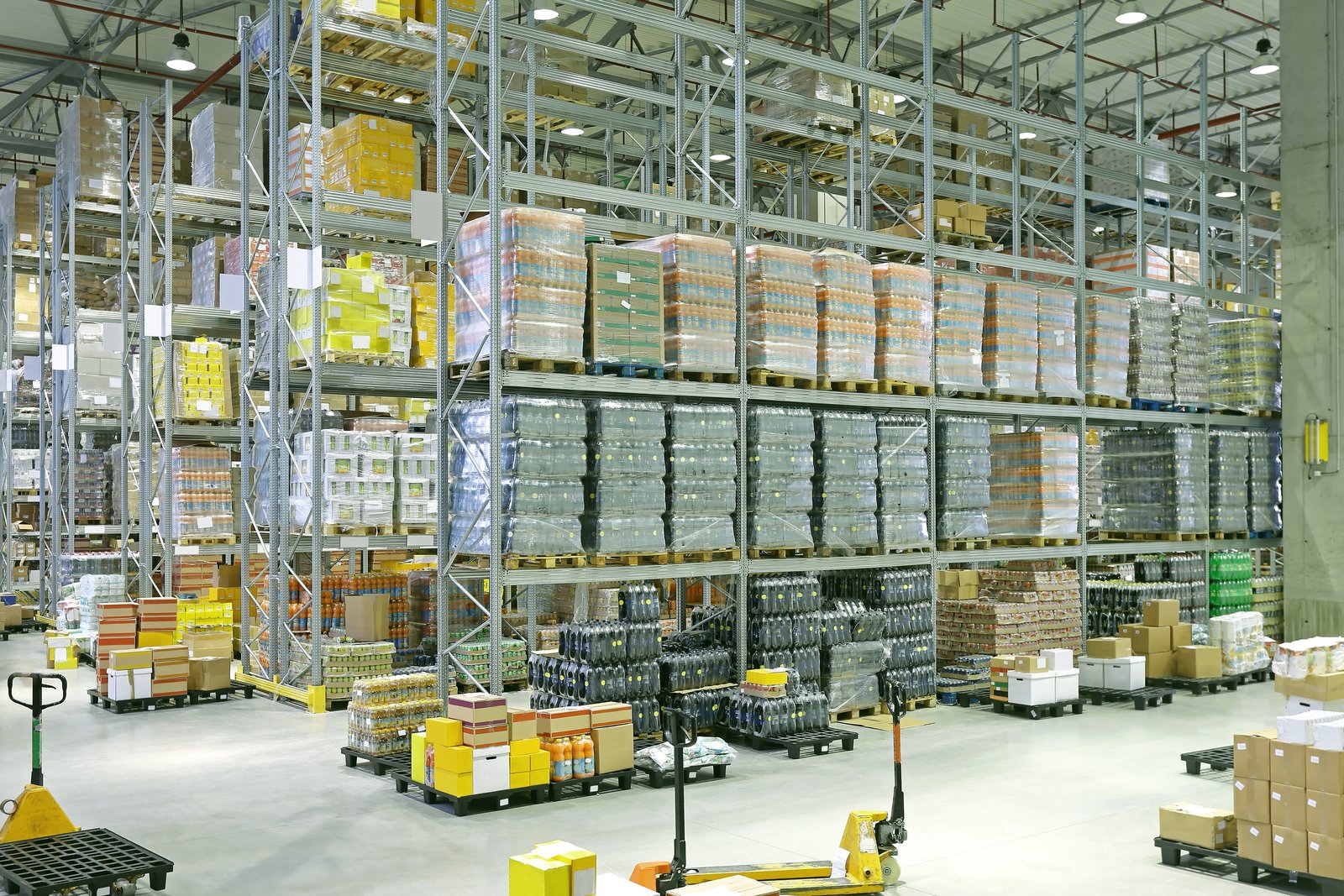
Between a parcel arriving at a depot and a van leaving on its route, several decisions happen in sequence: parcels are sorted to the correct outbound route, consolidated with other parcels going to nearby stops, sequenced onto the van in the order the driver will need them, and checked against the route manifest before departure. Each of those steps happens at the hub, not on the road, and each can delay or degrade the route before it even starts. A parcel sorted to the wrong route, a consolidation that groups stops inefficiently, or a load sequenced out of delivery order all produce the same symptom on the road: a driver losing time hunting for the right parcel, backtracking to a stop that should have come earlier, or discovering a parcel is missing only once the van is already moving.
Why Now
Parcel volume growth and the complexity of multi-carrier, multi-depot CEP networks have made hub-side sortation and consolidation a genuine bottleneck in networks that have already optimised their routing software extensively. A network can have the best route optimisation algorithm available and still miss delivery windows if the van carrying that route left the depot forty minutes late because sortation fell behind.
The Structural Problem: Routing Software Assumes a Clean Handoff
Route optimisation software takes as its starting assumption that the van is loaded, correctly and on time, and then optimises the sequence of stops from there. That assumption often does not hold. When hub operations fall behind, whether from a sortation backlog, a consolidation error, or a late inbound delivery, the routing software has no visibility into why the van left late or what it is actually carrying, and no way to correct for a handoff that was never clean to begin with. The routing software optimises a plan built on an assumption the hub did not actually meet, and by the time that becomes visible, the only option left is for the driver to absorb the difference on the road.
Five Steps to Hub Orchestration Before the Van Leaves
- Sort inbound parcels to the correct outbound route. Each parcel is matched to its route at the point it arrives at the hub, rather than batched and sorted later in a separate pass.
- Consolidate parcels by stop sequence, not just by route. Parcels going to nearby stops on the same route are grouped together, which is what makes load sequencing possible in the next step.
- Sequence the load in the order the driver will need it. Parcels are loaded onto the van in reverse delivery order, so the driver is not searching through the van for the next stop's parcel mid-route.
- Check the load against the route manifest before departure. A final reconciliation confirms every parcel on the manifest is physically on the van, catching a missed or misrouted parcel before the van leaves rather than at the delivery stop.
- Flag hub-side delays before they become route delays. Where sortation or consolidation is running behind schedule, the system flags it early enough to adjust the departure window or reassign the route, rather than letting a hub delay silently become a missed delivery window.
How MIXMOVE HUB OS Supports Hub-Side Last-Mile Orchestration
MIXMOVE is an Intelligent Logistics Orchestration Platform. MIXMOVE HUB OS orchestrates sortation, consolidation and load sequencing at the hub, which is the layer most last-mile software never touches, since routing and driver-app tools typically begin once the van is already loaded and on the road.
MIXMOVE operates as an orchestration layer above an existing routing or last-mile delivery platform, connecting through REST API, EDI, eFTI and webhooks, or as a standalone platform. A network does not need to replace its routing software to add hub-side orchestration; the two operate at different stages of the same delivery.
The Van Only Leaves on Time if the Hub Was Ready
Route optimisation determines the best sequence of stops. It does not determine whether the van actually leaves on time, fully loaded, in the correct order. That is decided at the hub, before the van is loaded, and it is the part of last-mile delivery that almost no buyer-facing content currently addresses.
See how MIXMOVE orchestrates sortation and load sequencing ahead of your routing software. Request an Operations Review.
Frequently Asked Questions
What is hub orchestration in a last-mile delivery context?
The sortation, consolidation and load-sequencing decisions made at the depot before a van leaves on its route, distinct from the routing and driver-app software that optimises the route once the van is already loaded.
Why doesn't routing software solve hub-side delays?
Because routing software assumes the van is already loaded correctly and on time, and optimises the stop sequence from that point. It has no visibility into sortation backlogs, consolidation errors or late inbound deliveries that delayed the van before it ever left the depot.
Does last-mile really account for 50% of shipping costs?
Capgemini Research Institute's "The Last-Mile Delivery Challenge" report found last-mile costs can drive up to 50% of total shipping expenses, a figure widely cited across the industry since, though the share varies by network and delivery type.
Does adding hub orchestration require replacing existing last-mile software?
Hub orchestration operates at the sortation and load-sequencing stage, before a route begins, and can run above an existing routing or last-mile delivery platform rather than replacing it.