McKinsey research conducted with the World Economic Forum found that where public and private operators coordinate effectively, delivery emissions and congestion could fall by 30% by 2030 against a do-nothing baseline, while technology could reduce delivery costs by 25% over the same period.
Both figures depend on coordination rather than on new vehicles. That points to where last-mile difficulty actually originates. What follows is what the final leg is, the six challenges attached to it, and what genuinely removes each one.
What last-mile delivery is
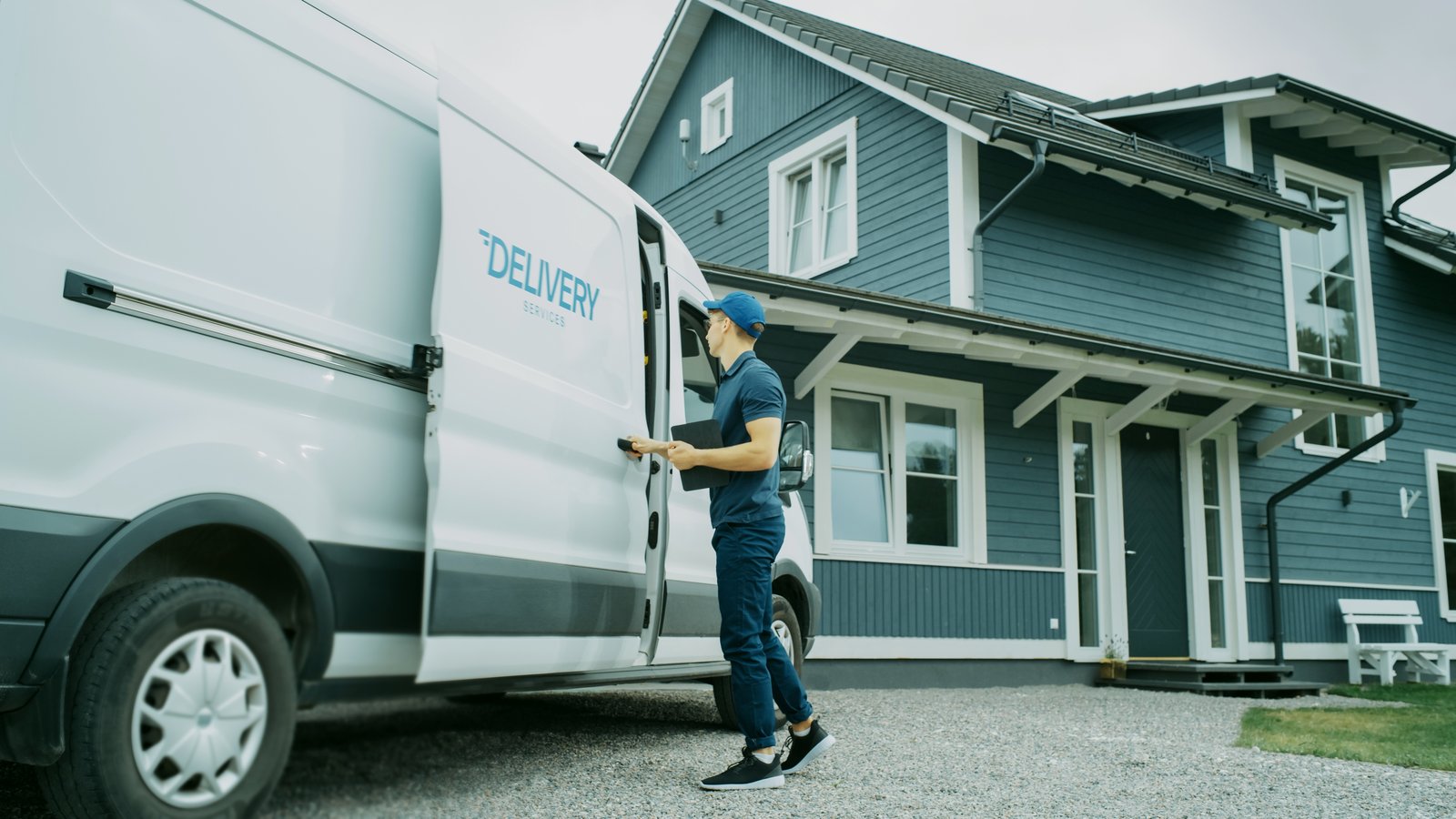
Last-mile delivery is the final stage of the journey, moving goods from a local distribution point to the end recipient. The name is not literal. The distance varies from a few hundred metres to many miles.
It is the most expensive stage of the chain because it is the only stage without consolidation. Every preceding leg moves many consignments together. The final leg moves one consignment to one address, which means the cost of the vehicle, the driver, and the journey is carried by a single delivery.
MIXMOVE frames the difficulty differently from most accounts. The last mile does not generate most of its own problems. It inherits them. A load built incorrectly at the hub, an address never verified, a time window promised without reference to route capacity: each becomes visible at the door and gets recorded as a last-mile failure.
Why the final leg became the hard part
The last mile was a rounding error when deliveries went to a small number of large destinations. Drops were dense, volumes per stop were high, and vehicles ran full.
Direct-to-consumer demand inverted every one of those conditions. Consignment sizes collapsed, drop counts multiplied, and destinations dispersed. The same tonnage now requires far more vehicles, far more stops, and far more journeys that end in nobody being home.
Why the pressure has intensified
Delivery promises have tightened, which removes the slack that used to absorb a delayed departure or a heavy traffic day.
Labour has become the binding constraint. Where drivers are difficult to recruit, a redelivery does not simply cost the price of a second journey. It consumes capacity that was needed for a different delivery.
Emissions have become a reported cost. Under CSRD, transport emissions sit inside statutory disclosure, and under ETS2 they attract a direct charge. A wasted journey now produces a figure that appears in a regulated report.
Deloitte found that 66% of retail executives surveyed plan to restructure their supply chains if input costs rise.
The one cause behind most last-mile failure
Almost every expensive last-mile event traces back to a decision made without information that existed elsewhere in the same operation.
The vehicle is loaded before anyone confirms the address is deliverable. The window is promised before anyone checks the route can reach it. The consignment is dispatched before anyone knows whether the recipient will be present.
Transport management systems plan the movement. Warehouse management systems govern stored inventory. Visibility platforms report where the vehicle is. None of them own the moment the load is built, which is the last point at which any of these failures can still be prevented cheaply.
The six challenges, and what removes each
Congestion and journey time variability. Route optimisation helps, but only within the load it is given. The larger gain comes from reducing the number of stops needed at all, through consolidation and collection points.
Wide delivery windows. Customers accept a delay they can see and resent a window they cannot plan around. Narrowing the window requires sequencing to be known before departure rather than discovered during the round.
Cost per drop. The last mile lacks consolidation by definition, so the remedy is to consolidate later in the chain than most networks do. Consolidating at the final hub compresses the leg where utilisation is worst.
Failed first attempts. The most expensive event in the last mile. A failed delivery consumes a full delivery cost against no revenue and repeats the emissions. Verified addresses, accurate arrival windows, and collection alternatives remove most of them.
Environmental impact. Fleet electrification changes what a journey emits. It does not reduce the number of journeys. Higher fill rates and fewer redeliveries reduce both emissions and cost at the same time.
Customer expectation. Visibility manages expectation but does not improve service. A tracking screen showing an accurate two-hour slip is better than silence, and worse than not slipping.
The three layers of a working last mile
Execution. Load build, sequencing, departure, and proof of delivery.
Orchestration. Matching consignments to routes and windows against live capacity, and rebuilding the load when conditions change.
Intelligence. The record of what happened, used for cost per drop, first-time delivery rate, and emissions reporting.
Most operations invest heavily in the first and third and leave the middle layer to a plan set the night before.
What the evidence shows
McKinsey and the World Economic Forum put the coordinated scenario at 30% lower delivery emissions and congestion by 2030, alongside a 25% reduction in delivery cost through technology.
McKinsey research into mid-mile and last-mile handovers found that waste created at blind handoffs between shippers, dispatchers, third-party logistics providers, and carriers accounts for between 6% and 13% of carrier revenue, with dwell time named as a leading driver.
The European Environment Agency identifies road freight as one of the fastest-growing sources of transport emissions, driven by rising delivery volumes and low vehicle utilisation.
Across MIXMOVE deployments, operations have recorded fill rate improvements of 10% to 20%, dwell time reductions of 40%, up to 80% fewer errors, and up to 130% higher warehouse hub throughput. The platform is in use across 35+ distribution companies in 20+ countries.
At 3M, a decade of collaboration produced a 90% truck fill rate, a 35% reduction in transport costs, and a 50% reduction in CO₂ emissions.
“By using the MIXMOVE software, 3M managed to reduce transport costs by 35% and CO₂ emissions by 50%.”
— Patrick Van De Vyver, Former Head of EMEA Logistics Operations, 3M
How MIXMOVE HUB OS changes what leaves the hub
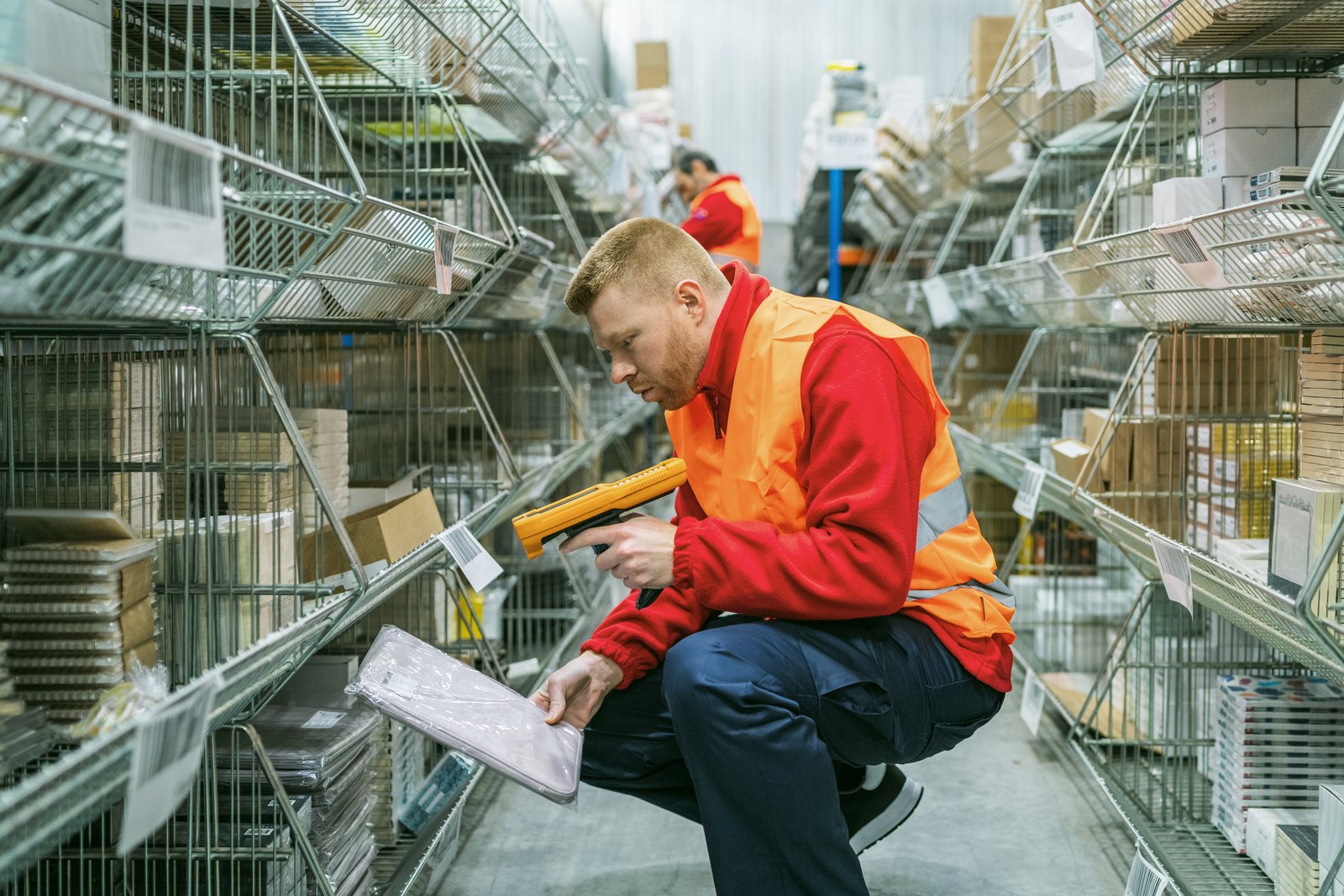
Last-mile performance is decided at the hub, before any vehicle moves. MIXMOVE HUB OS identifies freight at item level and builds loads against live route capacity and confirmed delivery commitments rather than against a plan set the previous evening.
Consignments that cannot be delivered as planned surface at the hub rather than at the door. A missing detail, a capacity conflict, or a sequencing problem is resolved while the freight is still in a building, which is the only point at which resolution is cheap.
Because the load leaving matches the round actually achievable, delivery windows narrow, first-time delivery rates rise, and the journeys that produce no delivered value stop being made.
MIXMOVE HUB OS operates alongside an existing TMS, WMS, or ERP as an orchestration layer, or as a standalone platform.
MIXMOVE DI structures the execution record for network reporting, including cost and utilisation per leg and Scope 3 transport reporting built to ISO 14083 methodology.
The last mile is where upstream decisions become visible. Fixing it at the door is the most expensive place to try. Operations that build the load correctly stop paying twice for the same delivery.
Read the MIXMOVE HUB OS overview to see how load build is matched to live route capacity.
Frequently asked questions
What is last-mile delivery?
The final stage of the delivery journey, moving goods from a local distribution point to the end recipient. It is the most expensive stage because it is the only one without consolidation.
What is the biggest challenge in last-mile delivery?
Failed first delivery attempts. A failed attempt consumes a full delivery cost against no revenue and repeats the emissions, and at scale it consumes capacity needed for other deliveries.
Why is last-mile delivery so expensive?
Because a single delivery carries the full cost of the vehicle, the driver, and the journey. Every earlier leg spreads those costs across many consignments moving together.
How can last-mile emissions be reduced without raising cost?
By removing journeys rather than changing what they emit. Higher vehicle fill rates, fewer failed attempts, and consolidation at the final hub reduce emissions and cost together.