McKinsey research into mid-mile and last-mile handovers found that waste created at blind handoffs between shippers, dispatchers, third-party logistics providers, and carriers accounts for between 6% and 13% of carrier revenue, with dwell time identified as a primary driver.
Every one of those handoffs is visible on a tracking screen. The waste occurs anyway. What follows is what real-time tracking genuinely delivers, what it cannot, and what to measure instead.
What real-time tracking is
Real-time tracking is the continuous reporting of a consignment’s location and status during transit, usually combined with an estimated arrival time and alerts when conditions change.
MIXMOVE frames the limitation plainly. Tracking is an observation system. It reports the state of the network with high fidelity and has no mechanism to change it. A tracking screen showing a consignment two hours late is accurate, useful, and completely powerless.
That distinction has commercial consequences. Tracking improves how a delay is experienced. It does not reduce how often a delay occurs.
How tracking became an expectation
Visibility entered logistics as a differentiator. When most shipments disappeared between despatch and arrival, being able to report position was a genuine service advantage.
That advantage has been competed away. Position reporting is now a baseline requirement in tender documents rather than a reason to win one. Every serious provider offers it, which means it no longer distinguishes anybody.
Why tracking alone stopped being a differentiator
Buyers have moved from asking whether they can see the shipment to asking why the shipment needed watching.
Service expectations tightened at the same time. A two-hour slip that was tolerable when windows were all-day becomes a failure when the window is two hours.
Compliance changed the requirement again. Under CSRD, transport emissions must be traceable to activity data. A position record confirms a vehicle was somewhere. It does not confirm what it was carrying, how full it was, or what the movement produced, which is the information a report requires.
Deloitte found that 30% of retailers surveyed use AI for supply chain visibility, expected to reach 41% within a year, with 59% anticipating positive return on investment from supply chain AI initiatives within 12 months. The investment is moving towards systems that act rather than systems that watch.
The difference between observing and acting
Transport management systems plan the movement before it begins. Visibility platforms report the movement while it happens. Warehouse management systems govern inventory that is at rest.
None of them can change what is on a vehicle once a problem is detected. The load was built before the visibility layer had anything to report, and by the time the delay is visible, the decisions that produced it are hours behind.
Acting requires a different capability, which is the ability to change the allocation while the freight is still in a building and still recoverable.
The four things tracking genuinely delivers
Expectation management. A recipient who can see an accurate slip plans around it. The same slip with no communication produces an enquiry, a complaint, and a lost renewal.
Reduced enquiry volume. Where status is available, the cost of answering where-is-my-order questions falls substantially. This is a real and measurable saving.
Evidence for service disputes. A position and timestamp record settles chargeback and penalty discussions that would otherwise be argued from memory.
Early warning. Detection is not prevention, but detection with enough lead time allows a recovery that would otherwise be impossible.
The three things it cannot do
Prevent the delay. The conditions that produce a late arrival are set before the vehicle departs. Observation begins after that point.
Improve completeness. A consignment missing two lines tracks perfectly all the way to a failed delivery. Position data says nothing about whether the load is whole.
Support emissions reporting on its own. Location history is not activity data. Reporting requires knowing what moved, at what utilisation, over what distance, which is execution data rather than position data.
What to measure instead of tracking adoption
First-time delivery rate. Whether the commitment was met without a second attempt.
Dwell time per site. The earliest available signal that sequence has broken, and the metric that moves before service scores do.
Completeness at despatch. Whether the load leaving matched the load committed, measured at the dock rather than at the door.
Time from exception detection to resolution. Detection speed is only valuable if something happens next. This measures whether it does.
What the evidence shows
McKinsey attributes between 6% and 13% of carrier revenue to waste at handover points, with dwell time named as a leading driver.
Deloitte reports that 59% of executives surveyed anticipate positive return on investment from supply chain AI initiatives within 12 months.
Across MIXMOVE deployments, hub operations have recorded up to 80% fewer errors, dwell time reductions of 40%, fill rate improvements of 10% to 20%, and up to 130% higher warehouse hub throughput. The platform is in use across 35+ distribution companies in 20+ countries.
At 3M, a decade of collaboration produced a 90% truck fill rate, a 35% reduction in transport costs, and a 50% reduction in CO₂ emissions.
“By using the MIXMOVE software, 3M managed to reduce transport costs by 35% and CO₂ emissions by 50%.”
— Patrick Van De Vyver, Former Head of EMEA Logistics Operations, 3M
How MIXMOVE HUB OS turns the signal into an action
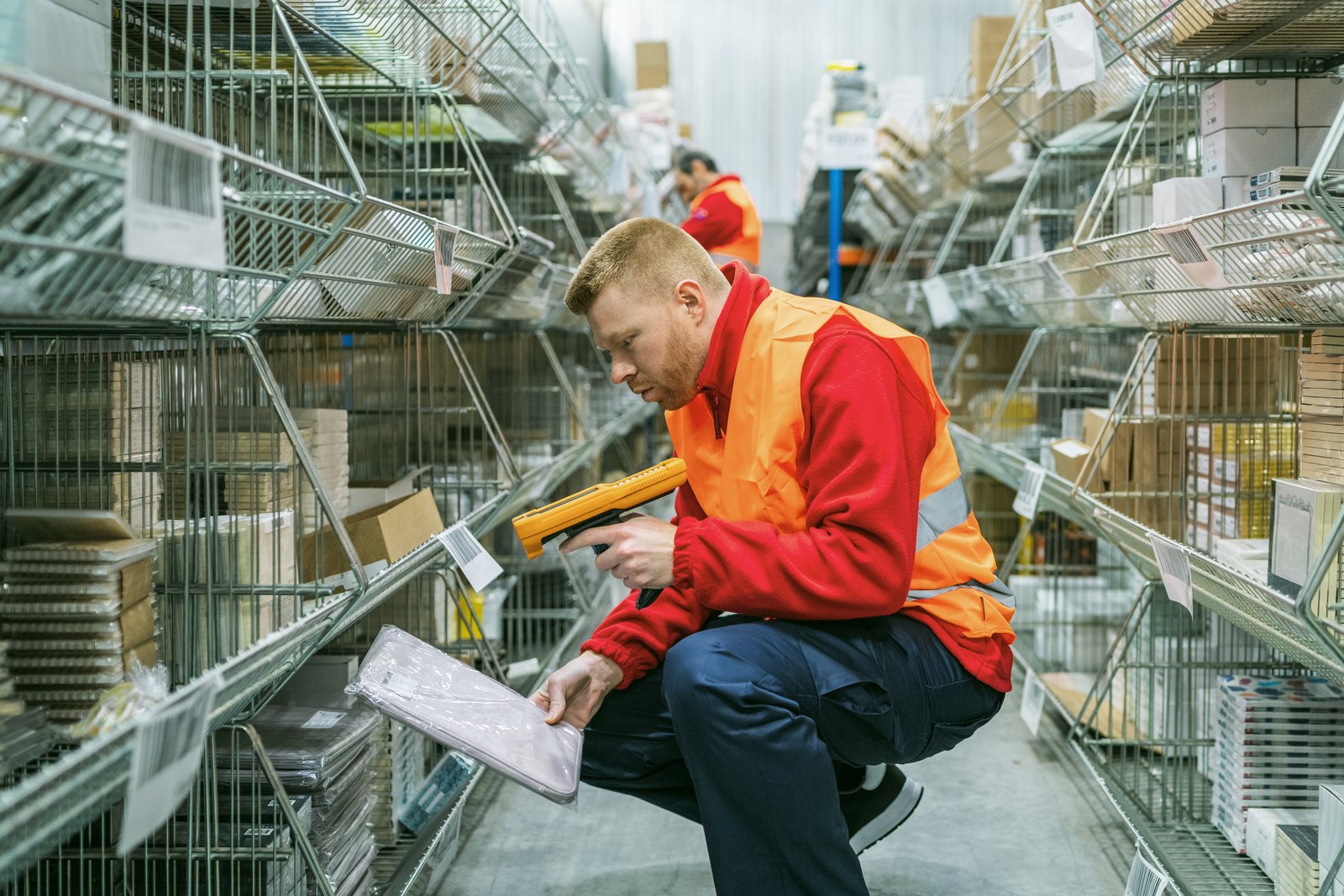
MIXMOVE HUB OS operates upstream of the point where tracking begins. Freight is identified at item level on arrival and matched against live outbound commitments before loading decisions are made, so a completeness problem or a sequencing conflict surfaces at the dock rather than becoming a tracked delay later.
Where an exception is detected, the response happens at the point of work. The load is rebuilt, the consignment is reallocated, or the commitment is renegotiated while the freight is still in a building.
Recorded error reductions of up to 80% and dwell reductions of 40% come from this shift. Fewer delays occur, which is a different outcome from delays being better reported.
MIXMOVE HUB OS operates alongside an existing TMS, WMS, or ERP as an orchestration layer, or as a standalone platform.
MIXMOVE DI converts the execution record into network-level reporting, including service performance by lane and customer, and Scope 3 transport reporting structured to ISO 14083 methodology, which position data alone cannot support.
Visibility tells you the promise is breaking. It does not hold the promise together. Operations that act at the dock stop needing to explain what the tracking screen is showing.
Read the MIXMOVE HUB OS overview to see how exceptions are resolved before they become tracked delays.
Frequently asked questions
What is real-time tracking in logistics?
The continuous reporting of a consignment’s location and status during transit, typically with an estimated arrival time and alerts when conditions change.
Does real-time tracking improve customer satisfaction?
It improves how a delay is experienced, reduces enquiry volume, and provides evidence in service disputes. It does not reduce how often delays occur, because observation begins after the decisions that caused them.
What is the difference between visibility and orchestration?
Visibility reports the state of the network. Orchestration changes it. A visibility platform can show that a consignment is late. An orchestration layer can rebuild the load before it becomes late.
Can tracking data be used for emissions reporting?
Not on its own. Position history records where a vehicle was. Emissions reporting requires knowing what moved, at what utilisation, and over what distance, which is execution data rather than location data.