An estimated 25% of vaccines are degraded by the time they reach their destination, according to World Health Organization data reported by FreightWaves. The pharmaceutical industry loses roughly $35 billion a year to temperature excursions, IQVIA estimates. According to the International Society for Pharmaceutical Engineering, most of that loss stems from human error and poor visibility rather than equipment failure.
25%
of vaccines degraded before reaching their destination (WHO)
$35B
lost annually to temperature excursions (IQVIA)
Temperature-controlled logistics is moving from passive protection to active, real-time control. The evidence from live deployments is documented. What follows is a practical account of where the risk actually sits, how the architecture works, and why the shift matters for pharmaceutical companies, logistics providers, and the patients waiting at the end of the chain.
What Is Temperature-Controlled Last-Mile Logistics?
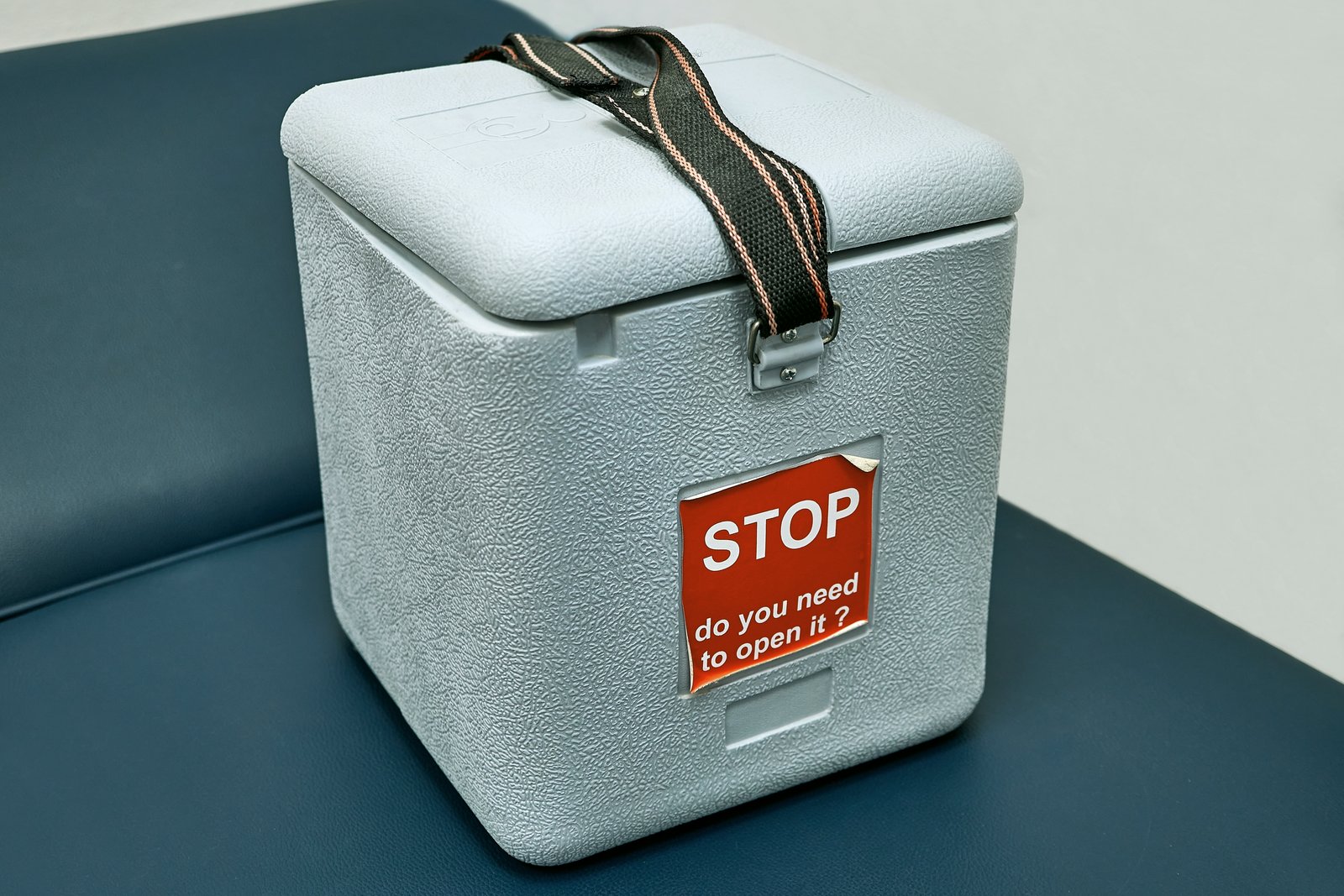
The World Health Organization defines a temperature excursion as any exposure of a time and temperature sensitive product to conditions outside its validated storage or transport range. For proteins, biologics, and monoclonal antibodies, that range is narrow and unforgiving. Many begin to denature at or near room temperature, and a 2°C deviation sustained for as little as 30 minutes can render a vaccine unusable.
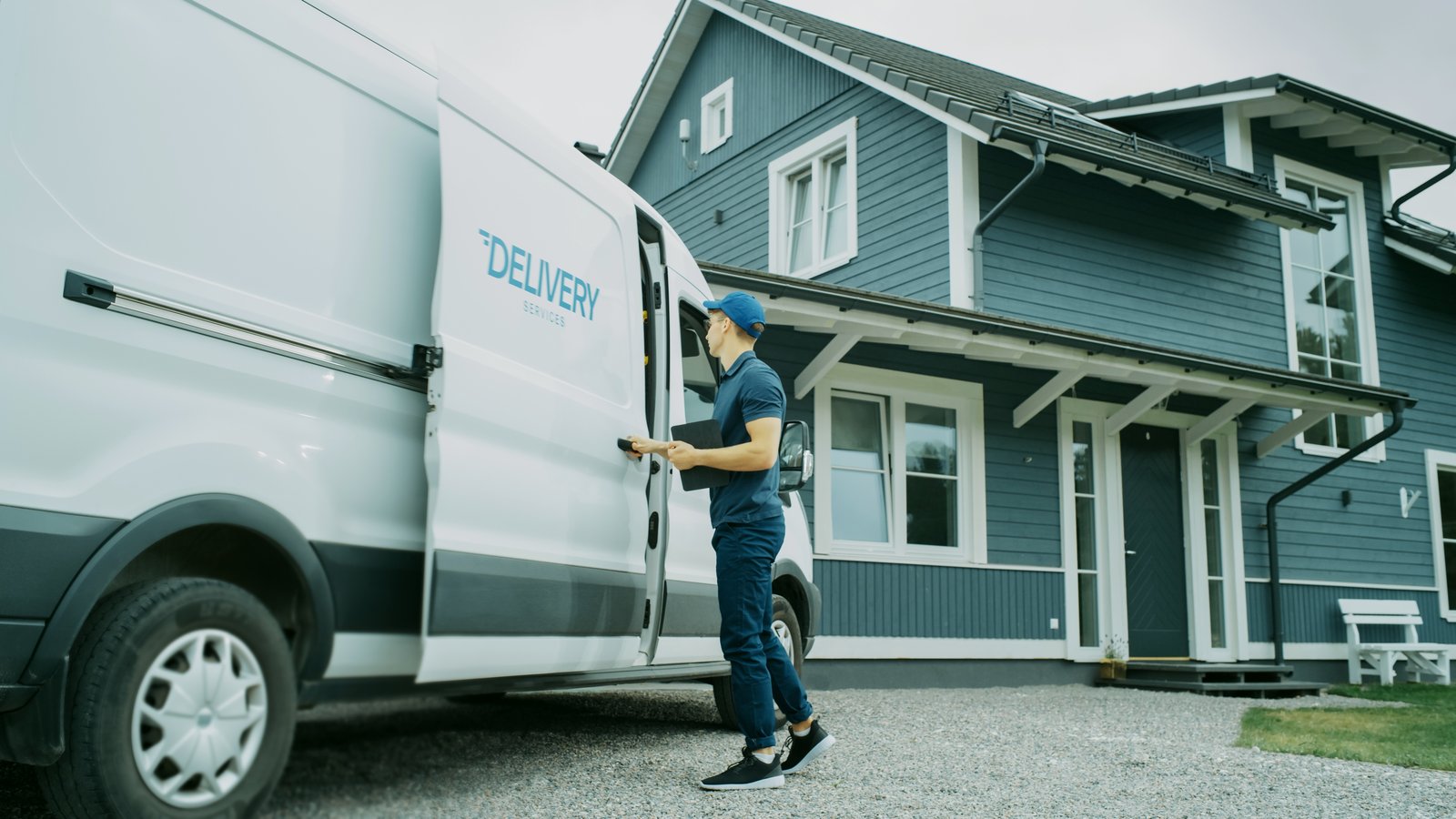
Temperature-controlled last-mile logistics is the set of technologies and processes that maintain, monitor, and document that range across the final leg of delivery, from distribution hub to hospital, pharmacy, clinic, or patient's door. At MIXMOVE, we frame this as an orchestration problem rather than a packaging problem. The goal is not simply to insulate a shipment, but to give every handoff, vehicle, and delay point real-time visibility and the ability to act on it before a breach occurs.
From Refrigerated Trucks to Real-Time Networks
Cold-chain logistics has historically been built around the long haul: refrigerated trucks, sea containers, and airfreight, all designed to protect large volumes across long distances. The last mile was treated as a footnote, a short, low-risk final step.
That assumption no longer holds. As pharmaceutical distribution shifts toward specialty drugs, biologics, and direct-to-patient delivery models, the final leg has become shorter in distance but higher in complexity. It now involves more handoffs, more vehicle types, and more exposure to ambient conditions during loading and unloading. Infrastructure built for the long haul is converging with infrastructure built for last-mile execution, and the two increasingly need to operate as one connected system rather than two separate ones.
Why the Last Mile Is Under Pressure Now
Three structural pressures are converging on temperature-controlled logistics simultaneously.
Consumer and patient expectations. Direct-to-patient pharmaceutical delivery and decentralised clinical trials are pushing cold-chain performance closer to the home, raising the bar for verifiable, real-time proof of temperature compliance at the point of delivery.
Cost structure. Last-mile delivery now accounts for 50% to 60% of total parcel delivery cost, according to BCG's 2025 Parcel Study, and for temperature-sensitive freight, that cost is compounded by the risk of write-offs. Separately, McKinsey research estimates that miscommunication and data loss at logistics handover points, known as blind handoffs, account for 13% to 19% of total logistics costs, amounting to up to $95 billion in losses annually in the United States alone.
50 to 60%
of total parcel delivery cost sits in the last mile (BCG, 2025)
Regulatory convergence. Good Distribution Practice requirements from the FDA and EMA increasingly demand continuous, auditable temperature records rather than periodic manual checks, tightening the documentation burden on every handoff in the chain.
Individually, none of these pressures is new. Together, they are forcing pharmaceutical companies and their logistics partners to treat the last mile as a monitored, accountable segment of the supply chain, not an afterthought.
What TMS, WMS, and Visibility Platforms Cannot Do
Transport management systems, warehouse management systems, and visibility platforms each solve part of the problem. None of them, individually, closes the gap that pharmaceutical cold chains are most exposed to: the point where physical execution needs to trigger an immediate, coordinated response and produce an auditable record of what happened.
| System | What it does | What it cannot do at the last mile |
|---|---|---|
| Transport management system | Plans routes and manages carrier assignments | No sensing at the point of execution; cannot detect a live temperature deviation |
| Warehouse management system | Governs inventory and storage | Visibility stops at the warehouse door once product leaves the dock |
| Visibility platform | Shows shipment location and status | Reports that a breach happened; cannot trigger a response or produce audit-grade documentation |
| MIXMOVE orchestration layer | Connects sensing, network-level response, and compliance documentation | Purpose-built to close this gap across all three |
Deloitte's analysis of AI-enabled drug supply chains points to the same structural weakness. A significant share of pharmaceutical losses in transit stem not from equipment failure but from disconnected visibility and slow response at exactly these handoff points. Visibility tells you a breach occurred. It does not, on its own, prevent it or document it to audit standard. That is the structural gap temperature-controlled orchestration is built to close.
How Real-Time Temperature Orchestration Works
A working last-mile temperature control system follows five operational steps.
- Sense. IoT-enabled sensors embedded in vehicles, containers, and packaging continuously capture temperature, humidity, location, and door-open events.
- Transmit. Data streams to the cloud in real time rather than being logged manually or retrieved after delivery.
- Detect. The system compares live readings against validated thresholds for the specific product, flagging deviations as they happen rather than after the fact.
- Act. Where a deviation is detected, the system surfaces an alert and a recommended action, whether that is rerouting, redispatching, or intervening at the next handoff, before the excursion becomes unrecoverable.
- Document. Every reading, alert, and action is logged to an audit-grade record, satisfying GDP documentation requirements without manual reconciliation.
Three Layers of Control
MIXMOVE HUB OS and MIXMOVE DI, MIXMOVE's Intelligent Logistics Orchestration Platform, apply this model across three connected layers.
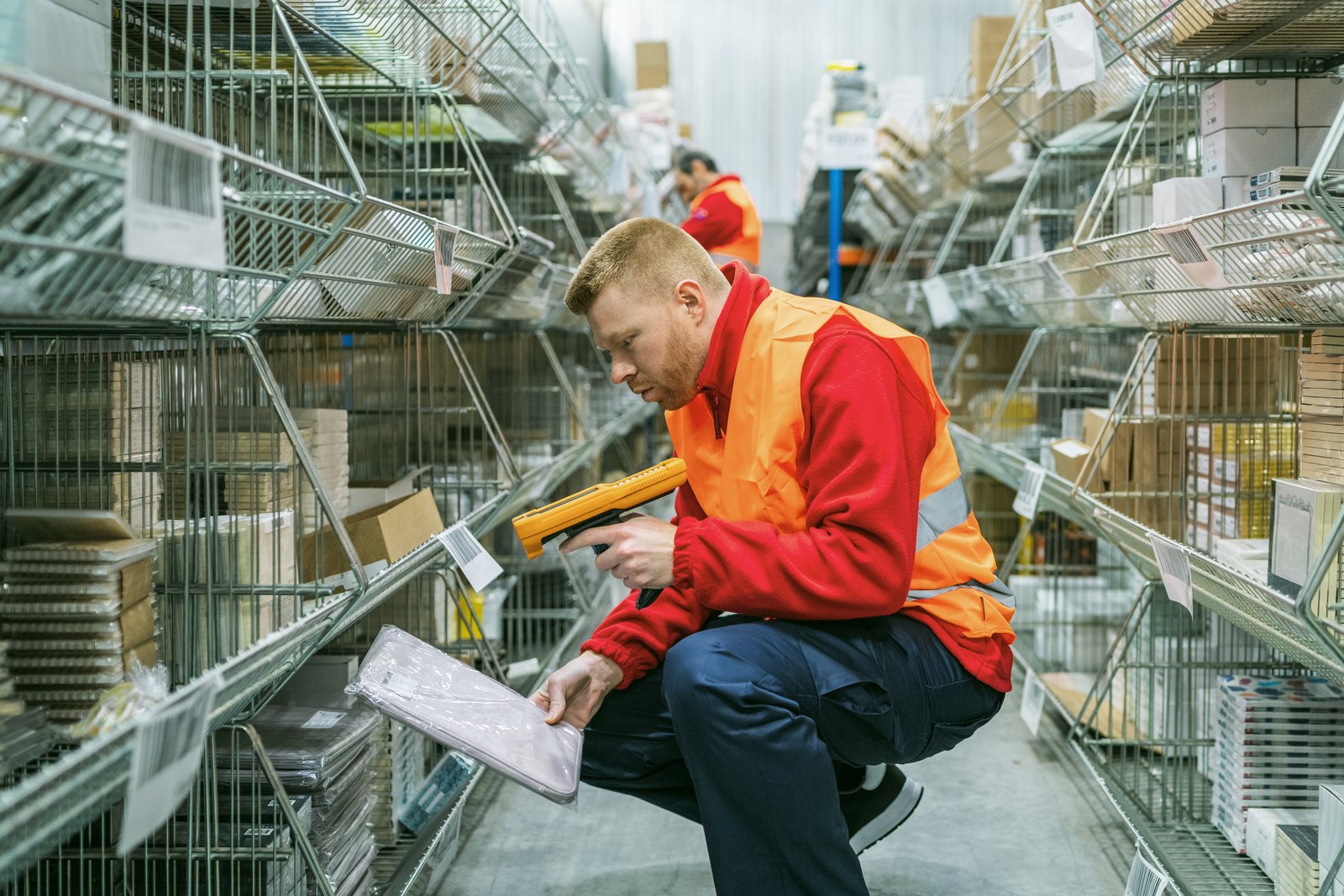
- Execution layer (MIXMOVE HUB OS): governs throughput, dock scheduling, and handoff accuracy at distribution hubs, where cold-chain breaches most often begin.
- Network layer: connects execution data across carriers, vehicles, and delivery partners so a temperature event anywhere in the network triggers a coordinated response, not an isolated alert.
- Compliance layer (MIXMOVE DI): structures the resulting data into audit-proof records, including Scope 3 emissions reporting structured to ISO 14083 methodology and reporting aligned to CSRD and ETS2 requirements.
The structural gap is this. Legacy ERPs handle compliance documentation but not real-time execution. Visibility platforms observe conditions but cannot act on them. No single platform connects physical execution to network-level decisions and compliance documentation in one data flow. Purpose-built for exactly that connection, MIXMOVE's platform closes the gap. It works alongside existing TMS, WMS, and ERP systems as an orchestration layer, or as a standalone platform.
The Evidence
Third-party research supports the operational case. BCG's carrier data shows that dense, well-orchestrated delivery networks consistently outperform fragmented ones on cost per delivery. McKinsey's handover research shows that closing visibility gaps at handoff points is where most of the addressable waste in mid and last-mile logistics sits.
In MIXMOVE's own deployments, MIXMOVE HUB OS has delivered up to 80% fewer errors, up to 50% less warehouse space required, and up to 58% in labour cost savings across 35+ distribution companies in more than 20 countries.
CASE STUDY: 3M EMEA
Ten years of collaboration between MIXMOVE and 3M's EMEA logistics operations turned a temperature-sensitive distribution network into a measurable efficiency gain.
- 35% reduction in transport costs
- 50% reduction in CO₂ emissions
- 90% truck fill rate
“By using the MIXMOVE software, 3M managed to reduce transport costs by 35% and CO₂ emissions by 50%.”
— Patrick Van De Vyver, Former Head of EMEA Logistics Operations, 3M
MIXMOVE's Approach
For pharmaceutical companies and their logistics partners, the last mile is not a formality. It is the point of highest risk and highest scrutiny. MIXMOVE's platform was built to treat it that way, connecting sensing, network-level response, and audit-grade documentation in a single data flow rather than three disconnected systems.
Real-time orchestration does not just watch the cold chain. It gives the last mile the same operational discipline as the first.
MIXMOVE PERSPECTIVE
The Bottom Line
The last mile is where pharmaceutical cold chains break. The technology to close that gap is deployable today. The advantage compounds with every shipment it protects.
See how a live pharma deployment handles last-mile temperature control. Book a tailored demo of MIXMOVE HUB OS and MIXMOVE DI for your network.