McKinsey research conducted with the World Economic Forum found that where operators coordinate effectively, delivery emissions and congestion could fall by 30% by 2030 against a do-nothing baseline, while technology could reduce delivery costs by 25% over the same period.
Both figures come from coordination rather than from new vehicles. That distinction runs through everything below. What follows is what green logistics covers, which practices genuinely reduce emissions, and which change the accounting without changing the outcome.
What green logistics is
Green logistics is the management of transport, storage, and handling to reduce environmental impact while meeting the same service requirements.
The second clause is the constraint. Reducing emissions by delivering less is not a logistics practice. The discipline is producing the same delivered output with fewer resources consumed.
MIXMOVE frames the practical test simply. Every logistics emission comes from a movement that happened. A practice either removes a movement or changes what that movement emits. The first category is usually free and the second usually is not, which is why the sequence matters more than the list.
The four core areas
Resource efficiency. Getting more delivered output from each vehicle, journey, and hour worked.
Emissions reduction. Lowering the emissions produced per unit of activity, through fuel, vehicle, or mode changes.
Packaging. Reducing material use and volume, which also reduces the space each consignment occupies in a vehicle.
Energy efficiency. Lowering consumption at fixed sites through building systems, lighting, and on-site generation.
The distinction that decides a programme
Practices divide into two groups with very different economics, and programmes that mix them without noticing tend to stall.
The first group removes journeys. These improve cost and emissions at the same time, require little or no capital, and are limited mainly by information rather than by budget.
The second group changes what journeys emit. These reduce emissions per journey, require significant capital, and have payback periods measured in years.
Both are legitimate. The sequence is what determines whether a programme funds itself. Beginning with the second group produces a large capital request and a slow return. Beginning with the first produces savings that can fund the second.
Practices that remove journeys
Raise vehicle fill rate. The single largest lever available. Every percentage point of unused capacity is emissions and cost against no delivered value.
Consolidate later in the chain. Grouping at the final hub rather than at origin compresses the leg where utilisation is worst and avoids long detours.
Eliminate failed first delivery attempts. A failed attempt doubles the emissions and the cost of one order.
Reduce dwell. Idle vehicle hours produce emissions with no movement, and the capacity released returns to the network.
Reduce packaging volume. Smaller consignments occupy less vehicle space, which raises effective fill rate without changing a single route.
Practices that change what journeys emit
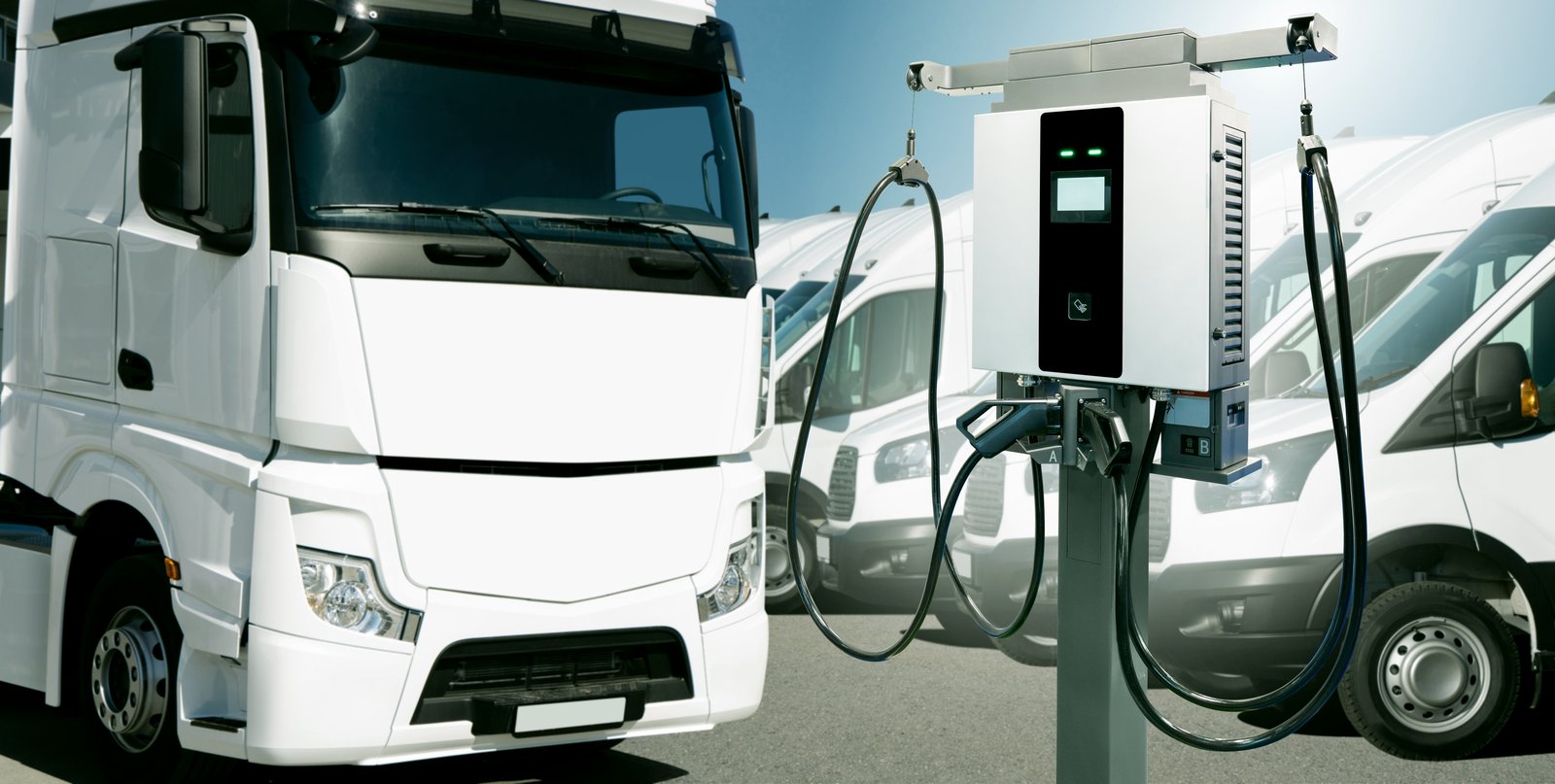
Fleet electrification. Reduces emissions per kilometre substantially. Capital-intensive, and constrained by charging infrastructure on longer routes.
Alternative fuels. A transitional option where electrification is impractical, with a smaller reduction per journey.
Modal shift. Moving volume from road to rail or water where lane structure allows. Large reduction, limited applicability.
Site energy measures. On-site generation, efficient lighting, and climate control. Reduces facility emissions rather than transport emissions, which are usually the larger share.
Where carbon offsetting sits
Offsetting purchases a reduction elsewhere rather than producing one in the operation. It has a place in addressing residual emissions that cannot yet be removed, and it is reasonably criticised when it substitutes for operational change.
The reporting position matters more than the debate. Under CSRD, disclosure rests on activity data from the operation itself. Offsets are accounted separately and do not reduce the reported transport figure. Under ETS2, road transport fuel carries a direct cost that offsetting does not avoid.
An operation relying primarily on offsets will therefore report the same emissions as before, with an additional cost line.
The three barriers, and which are real
Investment cost. Real for the second group of practices and largely absent from the first. Consolidation and dwell reduction require information rather than capital.
Data and systems integration. The genuine constraint. Reduction depends on knowing what moved, at what utilisation, over what distance, and most operations record what was planned instead.
Supply chain coordination. Real, and frequently overstated. Coordination is difficult when it requires commercial disclosure between parties and considerably easier when systems match on freight attributes rather than identity.
What the evidence shows
McKinsey and the World Economic Forum put the coordinated scenario at 30% lower delivery emissions and congestion by 2030, alongside a 25% reduction in delivery cost through technology.
The European Environment Agency identifies road freight as one of the fastest-growing sources of transport emissions, driven by rising delivery volumes and low vehicle utilisation.
Deloitte reports that 66% of retail executives surveyed plan to restructure their supply chains if input costs rise.
Across MIXMOVE deployments, operations have recorded fill rate improvements of 10% to 20%, dwell time reductions of 40%, up to 50% less warehouse space, and up to 130% higher warehouse hub throughput. The platform is in use across 35+ distribution companies in 20+ countries.
At 3M, a decade of collaboration produced a 50% reduction in CO₂ emissions alongside a 35% reduction in transport costs and a 90% truck fill rate. The emissions reduction and the cost reduction came from the same consolidation work.
“By using the MIXMOVE software, 3M managed to reduce transport costs by 35% and CO₂ emissions by 50%.”
— Patrick Van De Vyver, Former Head of EMEA Logistics Operations, 3M
How MIXMOVE turns reduction into reportable data
MIXMOVE HUB OS raises fill rate by matching inbound freight to outbound commitments at item level before loading decisions are made, so consolidation opportunities surface while the freight is still on the dock. That is the first group of practices, executed rather than planned.
MIXMOVE DI carries the transport side and the reporting. Route optimisation weighs cost, time, service commitment, and carbon together rather than sequentially, so the trade-off is visible to the planner making the decision. Scope 3 transport reports are structured to ISO 14083 methodology from execution data rather than carrier estimates, which is what CSRD disclosure and ETS2 exposure calculation require.
Both operate alongside an existing TMS, WMS, or ERP as an orchestration layer, or as a standalone platform.
Electrification changes what a journey emits. Consolidation changes whether the journey happens. Operations that start with the second fund the first.
Read the MIXMOVE DI overview to see how Scope 3 transport reporting is built from execution data rather than estimates.
Frequently asked questions
What is green logistics?
The management of transport, storage, and handling to reduce environmental impact while meeting the same service requirements. The discipline is producing the same delivered output with fewer resources consumed.
Which green logistics practices are most effective?
Those that remove journeys rather than changing what journeys emit: raising vehicle fill rate, consolidating at the final hub, eliminating failed first delivery attempts, reducing dwell, and reducing packaging volume. These improve cost and emissions together and require little capital.
Is carbon offsetting part of green logistics?
It addresses residual emissions rather than producing operational reduction. Under CSRD, offsets are accounted separately and do not reduce the reported transport figure, and under ETS2 they do not avoid the fuel cost.
What is the main barrier to green logistics?
Data. Reduction depends on knowing what moved, at what utilisation, over what distance. Most operations hold records of what was planned rather than what occurred, which supports neither improvement nor disclosure.