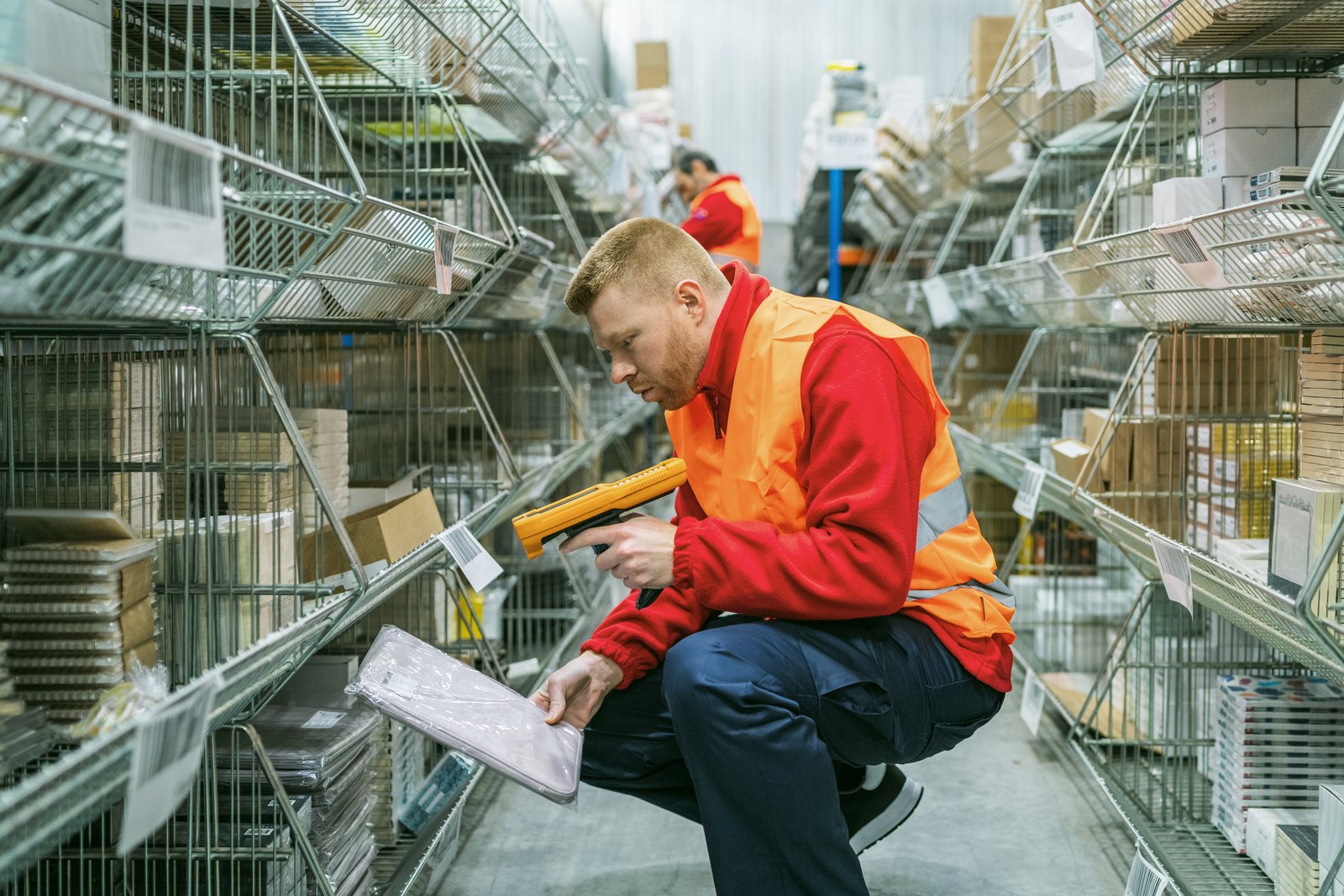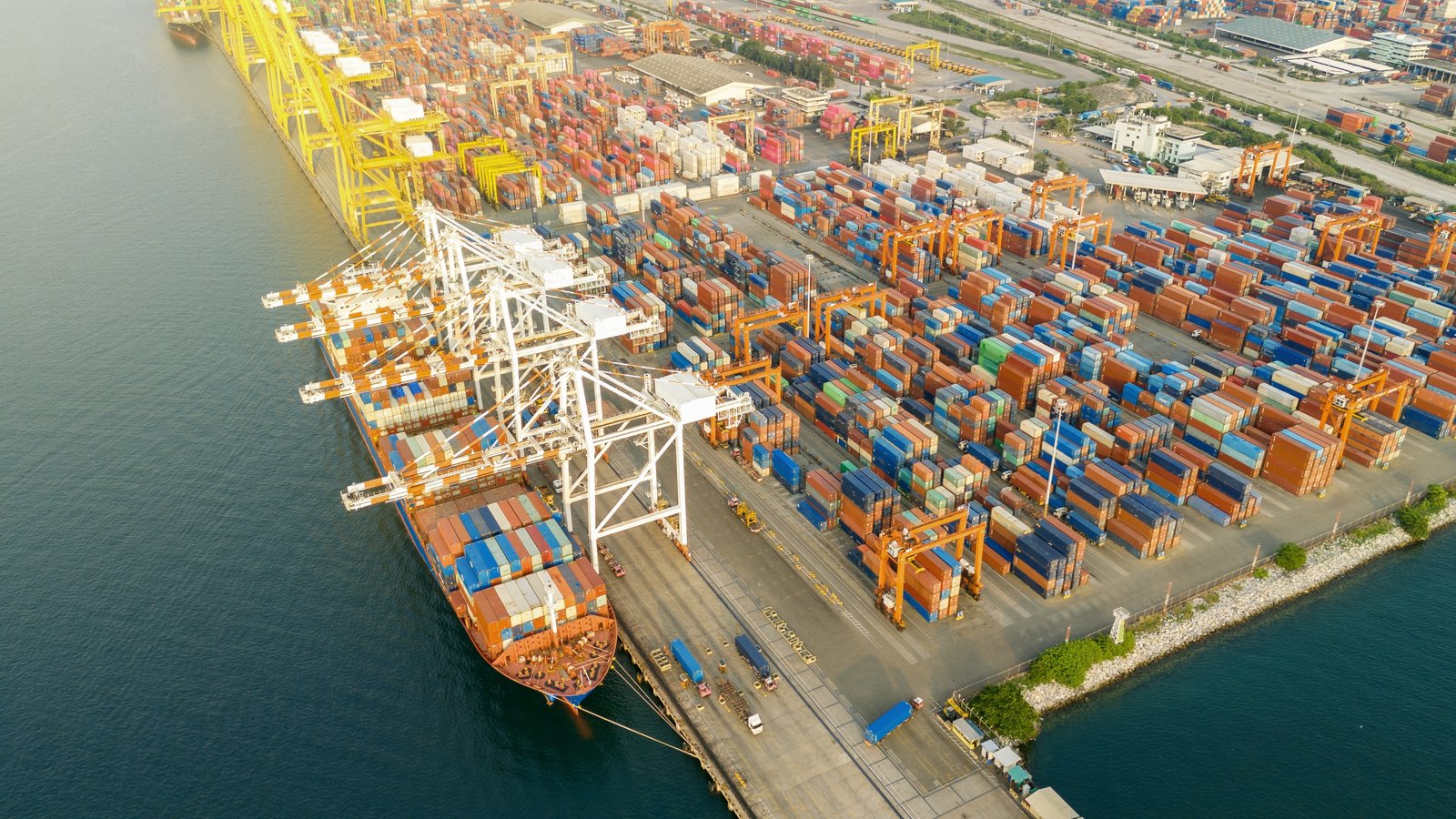
McKinsey research into mid-mile and last-mile handovers found that waste created at blind handoffs between shippers, dispatchers, third-party logistics providers, and carriers accounts for between 6% and 13% of carrier revenue, with dwell time identified as a primary driver.
In general freight, dwell costs money. In cold chain logistics, dwell is temperature exposure. The same operational weakness that produces cost elsewhere produces product loss here. What follows is where the cold chain breaks, why monitoring does not prevent it, and what an audit actually requires.
What cold chain management is
Cold chain management is the control of temperature across every stage of a product’s journey, from manufacture through storage and transit to the point of use, so the product remains within its validated range throughout.
The scope of the word every matters. A cold chain is not a series of controlled environments. It is one continuous requirement that happens to pass through several environments, and it is only as strong as the least controlled moment in it.
MIXMOVE frames the distinction that determines outcomes. Refrigeration is a solved problem. Vehicles, chambers, and packaging all hold temperature reliably. What is not solved is the transition between them, when the product is inside no controlled environment and usually inside no monitoring system either.
Why pharmaceutical cold chain is different
Food spoilage is visible. A temperature excursion in a pharmaceutical product frequently is not.
A vaccine, a biologic, or an insulin product that has been outside its range may look identical to one that has not. The loss of efficacy is invisible, which means the only protection available is the record. If the record cannot demonstrate the product stayed in range, the product cannot be used, regardless of its actual condition.
That inverts the usual logic of logistics evidence. In general freight, documentation supports the operation. In pharmaceutical cold chain, the documentation is the operation, because a product with an incomplete temperature history is a write-off whether or not anything went wrong.
Why the pressure has increased
Product mix has shifted towards temperature-sensitive therapies, which raises the proportion of volume requiring controlled handling.
Delivery has moved closer to the patient, which extends the controlled requirement into the least controlled part of any network.
Cost pressure has removed the slack that used to cover recovery. Deloitte found that 66% of retail executives surveyed plan to restructure their supply chains if input costs rise, and the same restructuring introduces new lanes and handling partners into pharmaceutical networks that had validated the previous ones.
The gap between monitoring and control
Most cold chain investment goes into sensors, and sensors are necessary. They are also not sufficient, and the reason is structural.
A sensor records a condition. Recording an excursion does not prevent it, and by the time the reading is available the exposure has already occurred. Monitoring converts an invisible loss into a visible one, which is a genuine improvement and a different thing from protection.
Control requires acting before the exposure. That means knowing which units are temperature-sensitive, where they are going, and how long they will be in transition, at the moment they arrive rather than after they leave.
Transport management systems plan the movement. Warehouse management systems govern stored inventory. Neither owns the transfer between them, which is exactly where the exposure sits.
The four points where excursions happen
The receiving transfer. Between the arriving vehicle and the controlled chamber. Duration depends entirely on whether the unit’s requirement is known before the doors open.
The sortation window. While the unit waits for a routing decision. This is the longest exposure in most networks and the one least likely to be recorded.
The load transfer. Between the chamber and the departing vehicle, extended whenever the load has to be rebuilt or re-sequenced on the dock.
The final handover. At the point of delivery, where the product leaves the controlled vehicle and reaches its destination, frequently with no monitoring on either side of the moment.
Three of the four are dock events. Only one is on the road, which is where most cold chain attention goes.
The three layers of a defensible cold chain
Execution. What physically happened to each unit, captured at item level as it occurred, including how long it spent in each transition.
Control. The ability to change the sequence before exposure rather than record it afterwards, which requires knowing the unit’s requirement at receipt.
Evidence. A continuous record with no gaps, traceable to individual units rather than to consignments, and structured for the audit that will examine it.
What an audit actually requires
Good Distribution Practice for medicinal products requires demonstrable control across the distribution chain, which is a higher standard than demonstrable measurement.
The practical test is whether an unbroken record exists for an individual unit across every transfer, including the minutes when it was between controlled environments. A record showing correct temperature inside the vehicle and inside the chamber, with a gap between them, does not meet that test even though nothing may have gone wrong in the gap.
Most cold chain records fail at exactly that point, because the systems that monitor environments are not the systems that record transfers.
What the evidence shows
McKinsey attributes between 6% and 13% of carrier revenue to waste at handover points, with dwell time named as a leading driver. In temperature-controlled operations, dwell is the mechanism of product loss rather than only of cost.
Deloitte reports that 30% of retailers surveyed use AI for supply chain visibility, expected to reach 41% within a year, with 59% anticipating positive return on investment within 12 months.
Across MIXMOVE deployments, hub operations have recorded dwell time reductions of 40%, up to 80% fewer errors, and up to 130% higher warehouse hub throughput. The platform is in use across 35+ distribution companies in 20+ countries.
At 3M, a decade of collaboration produced a 90% truck fill rate, a 35% reduction in transport costs, and a 50% reduction in CO₂ emissions.
“By using the MIXMOVE software, 3M managed to reduce transport costs by 35% and CO₂ emissions by 50%.”
— Patrick Van De Vyver, Former Head of EMEA Logistics Operations, 3M
How MIXMOVE closes the handover gap
MIXMOVE HUB OS identifies inbound freight at item level on arrival, which means a temperature-sensitive unit is recognised as one before it is unloaded rather than after. Its onward commitment is matched immediately, so the routing decision does not happen while the product waits.
Recorded dwell reductions of 40% matter differently in this context. In general freight they represent cost. Here they represent the removal of exposure minutes at the three dock transfers where most excursions occur.
Because every movement is captured as it happens, the record covers the transitions rather than only the environments. The gap between one controlled environment and the next stops being a hole in the evidence.
MIXMOVE HUB OS operates alongside an existing TMS, WMS, or ERP as an orchestration layer, or as a standalone platform.
MIXMOVE DI structures the resulting record for network-level reporting and audit, with each movement traceable to an individual unit, alongside Scope 3 transport reporting built to ISO 14083 methodology.
Refrigeration holds temperature. Handovers lose it. Operations that record and shorten the transitions protect the product and the evidence at the same time.
Read the MIXMOVE HUB OS overview to see how item-level identification shortens the dock transfer.
Frequently asked questions
What is cold chain management?
The control of temperature across every stage of a product’s journey, from manufacture through storage and transit to the point of use, so the product remains within its validated range throughout.
Where do most temperature excursions occur?
At transfers rather than inside controlled environments. The receiving transfer, the sortation window, the load transfer, and the final handover account for most exposure, and three of the four are dock events.
Is temperature monitoring enough for compliance?
Monitoring records a condition after it has occurred. Good Distribution Practice requires demonstrable control across the distribution chain, which means an unbroken record traceable to individual units, including the periods between controlled environments.
Why does dwell time matter in cold chain logistics?
Because in temperature-controlled operations dwell is exposure. Time spent waiting for a routing decision is time the product spends outside a controlled environment, and it is the exposure least likely to appear in the record.