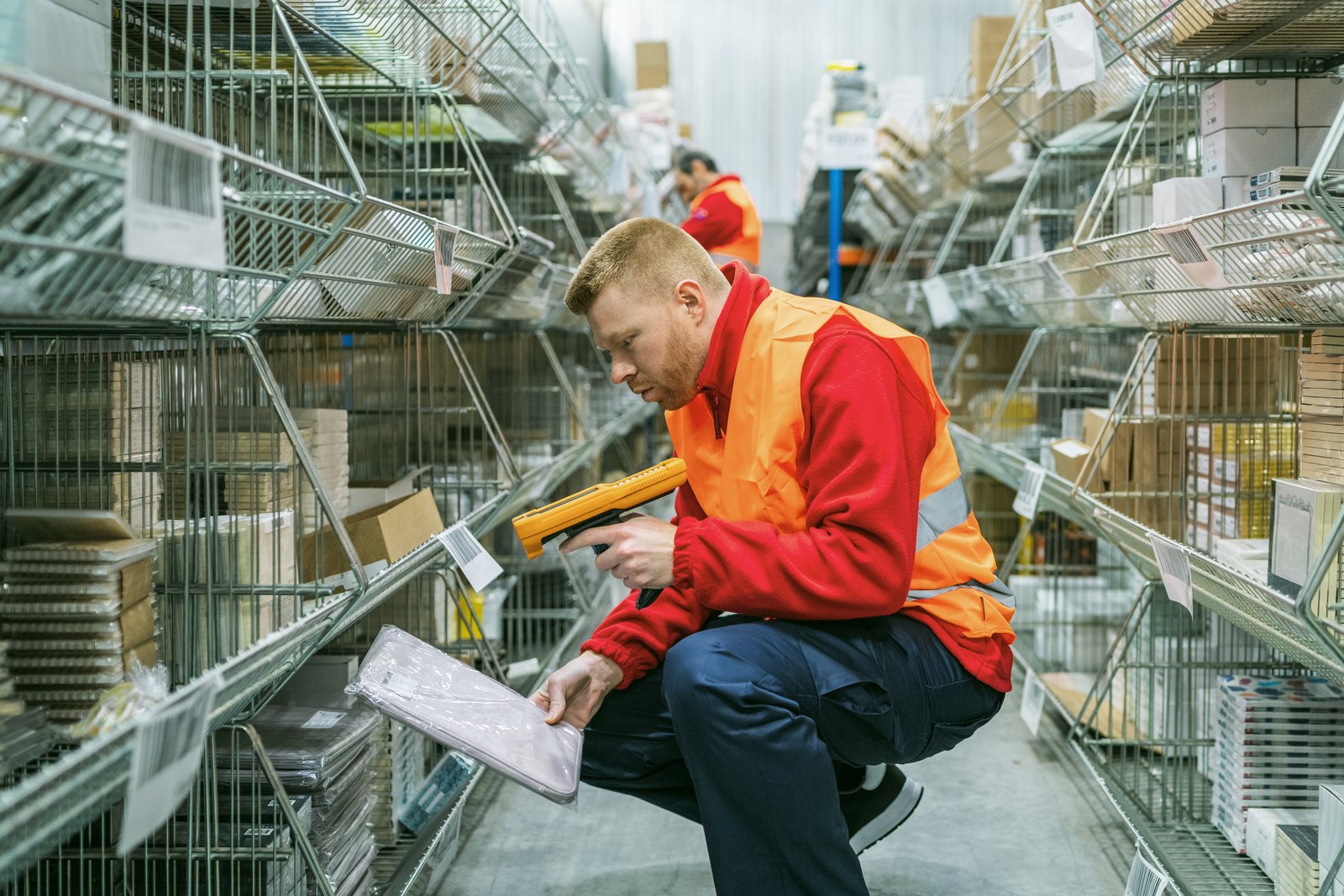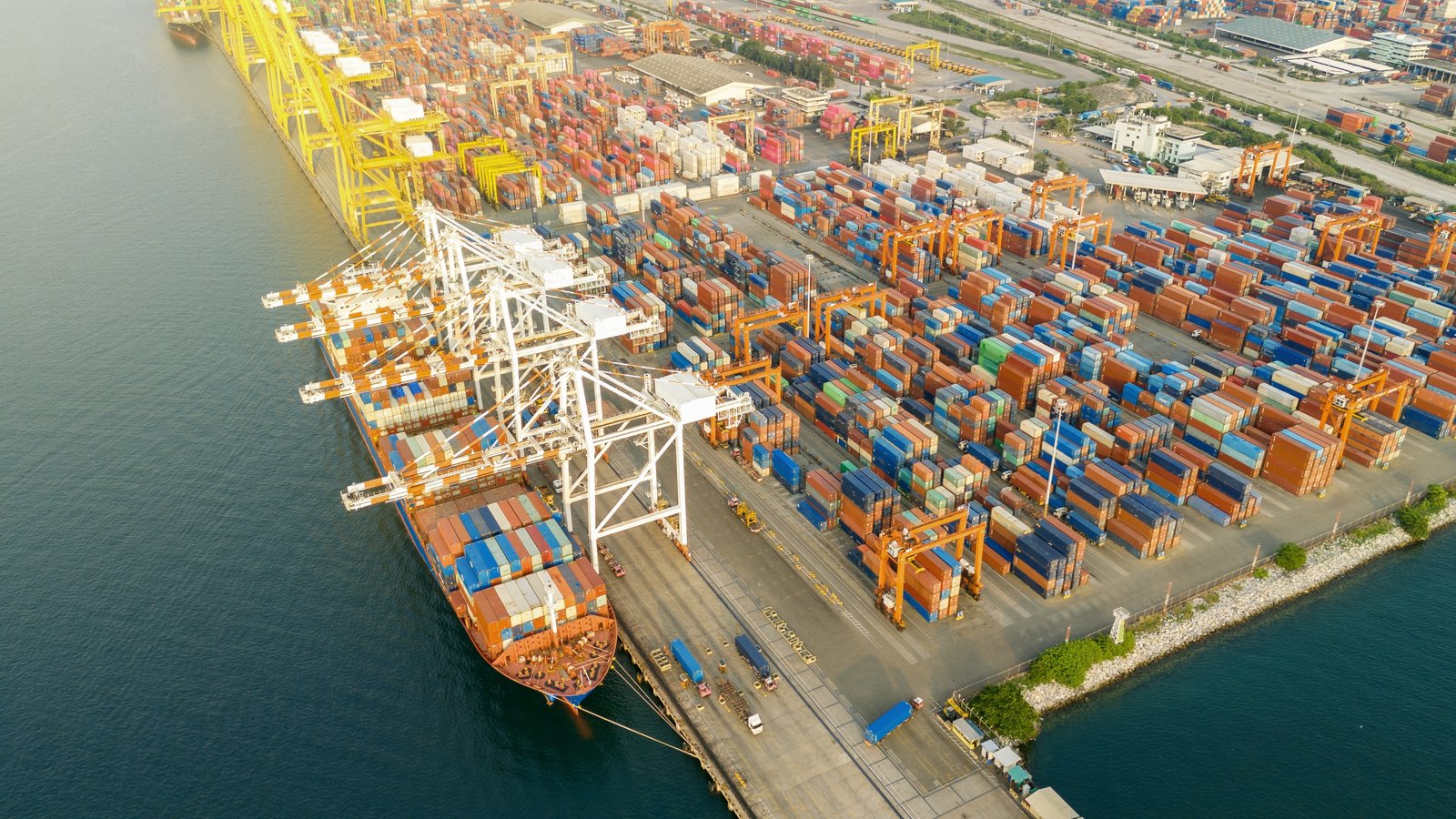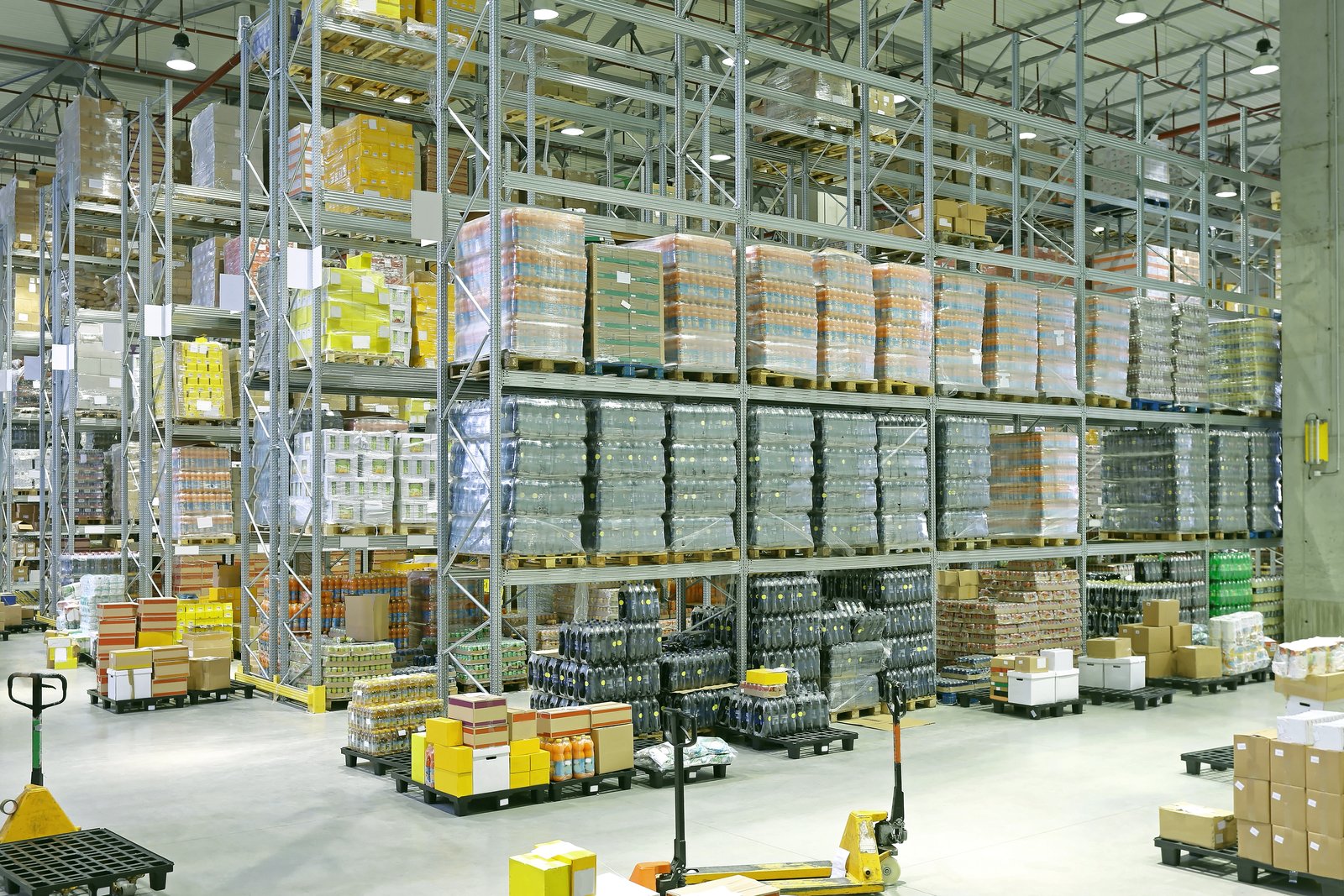
Deloitte found that 66% of retail executives surveyed plan to restructure their supply chains through onshoring, nearshoring, and supplier diversification if input costs rise.
Restructuring puts every distribution cost line back under examination, and cross-docking is usually the first alternative raised. The savings are real. Each one carries a condition that determines whether it arrives. What follows is all three, stated with the conditions attached.
What cross-dock logistics is
Maersk defines cross-docking as a logistics process in which products move from the supplier or manufacturer directly to the customer, with minimal or no storage time in between.
MIXMOVE frames the saving mechanism precisely, because the framing determines whether the business case holds. Cross-docking does not make handling cheaper. It removes handling steps. The saving is the absence of work, which means it only materialises where that work genuinely becomes unnecessary rather than being moved somewhere else.
Where the model came from
Cross-docking entered mainstream distribution through perishable retail, where goods could not wait in storage, and through just-in-time manufacturing, where components arrived against a production schedule rather than a stock level.
Both settings shared a precondition. Inbound flow was predictable enough that the storage buffer had already stopped doing useful work. Removing it captured a saving that was, in effect, already sitting there.
Why the savings are being reassessed
Property and labour have both become harder to secure, which raises the value of anything that reduces demand for either.
Emissions carry a direct cost. Under CSRD, transport emissions sit inside statutory disclosure, and under ETS2 they attract a charge. Consolidation now produces a saving in two ledgers rather than one.
Supply base restructuring has introduced new lanes and new suppliers into networks, which changes inbound reliability and therefore changes which of the three savings is actually available.
Why savings are quoted and not realised
Business cases count the savings and omit the conditions.
McKinsey research into mid-mile and last-mile handovers found that waste created at blind handoffs between shippers, dispatchers, third-party logistics providers, and carriers accounts for between 6% and 13% of carrier revenue, with dwell time named as a leading driver. Cross-docking concentrates handoffs, so a model that captures storage savings while generating handover waste can produce a worse total than the one it replaced.
The savings below are stated with what each requires, because the requirement is the part that decides the outcome.
Saving one: inventory and storage
Removing the resting phase removes the space it occupied, the capital held in the stock, and the putaway and retrieval cycles attached to it. This is the largest and most immediate saving, and recorded reductions of up to 50% less warehouse space indicate its scale.
The condition. The freight must have a confirmed onward commitment before it arrives. Where the destination is unknown at receipt, the goods must be held somewhere while somebody works it out, and the storage returns under a different name.
Saving two: transport consolidation
Cross-docking merges less-than-truckload shipments into full loads and breaks bulk loads into regional deliveries, which raises fill rate and reduces linehaul cost per unit. It is the only saving that improves as network density rises, and it produces the emissions reduction alongside the cost reduction.
The condition. Consolidation must be actively managed. Removing storage without managing consolidation produces more frequent, smaller shipments, which gives back on linehaul what was saved on space. This is the most common way the second saving turns negative.
Saving three: labour intensity
Fewer handling steps require fewer hours per unit. Recorded reductions of up to 58% labour cost savings and up to 130% higher warehouse hub throughput reflect work removed rather than work performed faster.
The condition. Sortation decisions must reach the dock team at the point of work. Where they do not, the labour saved on putaway is spent on waiting, checking, and correcting. Rework consumes capacity at exactly the moment capacity is scarcest, because rework peaks when volume peaks.
What the evidence shows
Deloitte reports that 66% of retail executives surveyed plan to restructure their supply chains if input costs rise, with 59% anticipating positive return on investment from supply chain AI initiatives within 12 months.
McKinsey attributes between 6% and 13% of carrier revenue to waste at handover points, with dwell time identified as a primary driver.
Across MIXMOVE deployments, hub operations have recorded up to 130% higher warehouse hub throughput, up to 50% less warehouse space, up to 80% fewer errors, and up to 58% labour cost savings. Fill rate improvements of 10% to 20%, dwell time reductions of 40%, and up to 15% more billable output have been recorded. The platform is in use across 35+ distribution companies in 20+ countries.
At 3M, a decade of collaboration produced a 90% truck fill rate, a 35% reduction in transport costs, and a 50% reduction in CO₂ emissions. The transport saving and the emissions saving were produced by the same consolidation work rather than by two separate programmes.
“By using the MIXMOVE software, 3M managed to reduce transport costs by 35% and CO₂ emissions by 50%.”
— Patrick Van De Vyver, Former Head of EMEA Logistics Operations, 3M
How MIXMOVE HUB OS secures the conditions
Each of the three conditions is an information requirement rather than a physical one, which is why they are addressable without new buildings.
MIXMOVE HUB OS identifies inbound freight at item level on arrival and matches it against live outbound commitments before unloading decisions are made. That establishes the onward commitment at receipt, which is the first condition.
Consolidation opportunities surface while freight is still on the dock, so units heading to the same area are grouped at the last possible moment rather than dispatched separately. That is the second condition, and it is where the fill rate and emissions gains originate.
Sortation instructions reach the point of work rather than sitting in a planning system the dock team cannot see. That is the third condition, and it converts removed handling into removed cost rather than into waiting.
MIXMOVE HUB OS operates alongside an existing TMS, WMS, or ERP as an orchestration layer, or as a standalone platform.
MIXMOVE DI structures the resulting record for network reporting, including utilisation by leg and Scope 3 transport reporting built to ISO 14083 methodology, so the transport saving and the emissions reduction are reported from the same execution data.
The savings are real and none of them are automatic. Each depends on knowing something at the dock that most operations discover later. Cross-docking pays where that information arrives in time.
Read the cost comparison against traditional distribution for the full cost model behind these three savings.
Frequently asked questions
What are the main cost savings from cross-docking?
Reduced inventory and storage cost, lower transport cost through consolidation into fuller loads, and lower labour intensity from fewer handling steps per unit.
Which cross-docking saving is the largest?
Storage and inventory is usually the largest and most immediate, because it removes space, held capital, and two handling cycles at once. Transport consolidation is the saving that grows as network density increases.
What conditions does cross-docking require to save money?
A confirmed onward commitment before freight arrives, actively managed consolidation rather than more frequent smaller shipments, and sortation instructions that reach the dock team at the point of work.
Can cross-docking increase costs?
Yes. Where consolidation is not managed, transport frequency rises and offsets the storage saving. Where inbound data is unreliable, freight must be received and checked, which reintroduces the handling the model was meant to remove.